Faculty of HOMOEOPATHIC
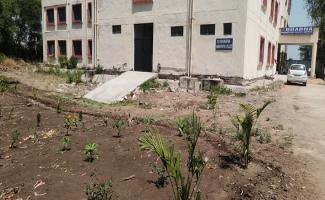
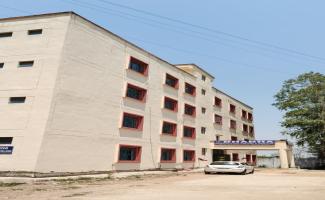
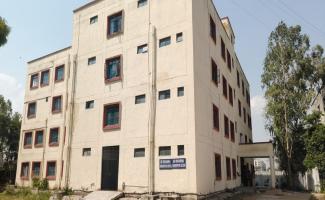
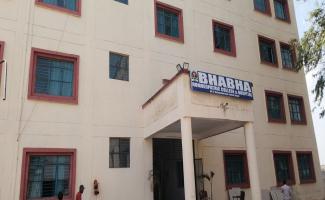
The Faculty of Homoeopathy (Bhabha Homoeopathic Medical College & Hospital) offers the undergraduate BHMS (Bachelor of Homoeopathic Medicine and Surgery) program. Supported by an attached teaching hospital, cadaveric dissection hall, pathology & pharmacy labs, students receive comprehensive clinical mentoring in classical and modern Homoeopathy.
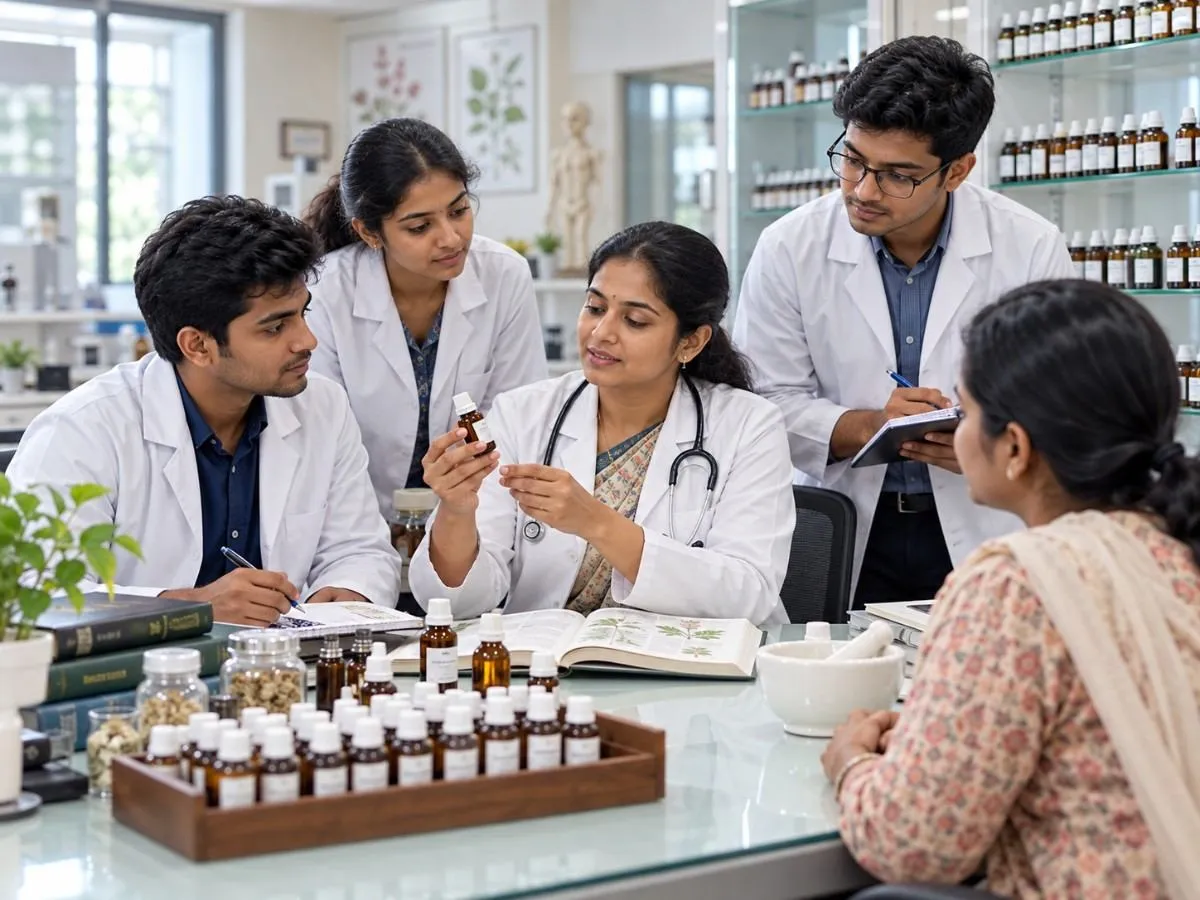 High-Tech Labs & R&D
Vision & Mission
Vision
Mission
Dean's Welcome & Message
Dr. A.D. Khan
Dear Students, Faculty Members and Parents, It is my pleasure to welcome you to Bhabha Homoeopathic Medical College & Hospital, Bhopal. Homoeopathy is a holistic, compassionate medical science that stimulates the innate vital healing force of the body.
Approved by the National Commission for Homoeopathy (NCH) & Ministry of AYUSH, our 100-bedded hospital and collegiate departments provide unmatched clinical bedside training, herbal botanical gardens, and organon research facilities to cultivate master homeopathic physicians.
Programmes & Branches / Specialization
Bachelor of Homoeopathic Medicine and Surgery (BHMS)
Comprehensive 5.5-year undergraduate medical degree program including 4.5 years of academic and clinical training followed by a mandatory 1-year rotatory hospital internship.
Academic & Examination Resources
Begin Your Journey in Homoeopathic Medicine
At Bhabha, we believe medical education is more than acquiring knowledge. It is about developing clinical understanding, professional skills, and the compassion needed to care for people.
Welcome to Bhabha Homoeopathic Medical College & Hospital
Bhabha Homoeopathic Medical College & Hospital is a centre for undergraduate education in Homoeopathic Medicine, located within the Bhabha University campus in Bhopal, Madhya Pradesh.
Our focus is on creating a strong foundation in Homoeopathic medical education while encouraging practical learning, clinical understanding and professional development. We strive to provide students with meaningful academic experiences, opportunities to learn in a hospital environment and an atmosphere that supports their overall growth.
With an academic environment supported by experienced faculty, teaching facilities and hospital-based clinical exposure, the college aims to prepare students for a meaningful and responsible career in Homoeopathic Medicine.
Take the first step towards a career in Homoeopathic Medicine
Discover BHMS
Discover the 5½-year Bachelor of Homoeopathic Medicine and Surgery and explore what Bhabha Homoeopathic Medical College offers.
Get Expert Guidance
Get comprehensive guidance regarding eligibility criteria, NEET cut-offs, counselling registration, and institutional fee structure.
Begin Your Medical Career
Participate in counselling, select BHMCH Bhopal, verify your original documents, and become a valued part of the Bhabha family.
Life at Bhabha • Learn. Participate and Celebrate. Achieve.
Life at Bhabha extends beyond the classroom. Students are encouraged to participate in academic activities, institutional events and celebrations that help them develop confidence, teamwork, communication skills and a sense of community.
Engaging Academic Learning
Interactive teaching that encourages students to understand concepts and participate actively in their learning, tutorials, and bedside clinical presentations.
Participating & Celebrating Together
Students and faculty come together to celebrate important medical milestones, World Homoeopathy Day, Hahnemann Jayanti, cultural festivals, and build a strong sense of community.
Recognising Student Achievements
Celebrating the academic efforts, clinical excellence, paper presentations, sports participation, and co-curricular accomplishments of our aspiring doctors.
Four Pillars of Our Educational Approach
At Bhabha Homoeopathic Medical College & Hospital, education is approached as a combination of knowledge, practical learning and clinical understanding. Our academic approach aims to help students develop a strong foundation in medical sciences and Homoeopathic medicine while gradually building the skills and professional confidence required for patient care.
📚 Learn
Build a strong foundation through structured teaching of fundamental medical sciences and classical Homoeopathic subjects.
🔬 Practise
Reinforce concepts through hands-on practical sessions, cadaveric dissection, laboratory demonstrations, and pharmacy potentisation.
🏥 Experience
Connect academic knowledge with clinical situations through attached hospital-based learning, live bedside clinics, and patient interaction.
🌱 Develop
Build communication skills, professional ethics, empathy, self-confidence, and a lifelong commitment to compassionate patient care.
B.H.M.S. Programme & Curriculum Framework
The Bachelor of Homoeopathic Medicine and Surgery (BHMS) is an undergraduate medical programme that brings together fundamental medical sciences, Homoeopathic philosophy and therapeutics, practical training and live clinical experience. The programme progresses systematically from foundational preclinical sciences to Homoeopathic subjects and clinical hospital education, enabling students to gradually develop the diagnostic acumen, practical skills, professional competence and ethical values required for responsible medical practice.
What Students Learn Across the BHMS Programme
1. Medical Sciences
Deep understanding of the structure and functioning of the human body through:
- Anatomy (Gross, Microscopic & Embryology)
- Physiology & Biochemistry
- Pathology & Microbiology
- Forensic Medicine & Toxicology
2. Homoeopathic Sciences
Principles, philosophy, and therapeutic applications of classical Homoeopathy through:
- Homoeopathic Pharmacy
- Homoeopathic Materia Medica
- Organon of Medicine & Philosophy
- Homoeopathic Repertory & Case Taking
3. Clinical Sciences
Comprehensive clinical diagnostics and individualized patient management through:
- Practice of Medicine & Therapeutics
- Surgery, ENT, Ophthalmology & Dentistry
- Obstetrics & Gynaecology
- Paediatrics
- Community Medicine & Research Methodology
- Yoga & Physiotherapy
Learning Through Practical Experience
The BHMS programme goes far beyond classroom teaching through continuous hands-on exposure:
Hospital Clinical Education
Through the attached teaching hospital, students are progressively trained under faculty guidance in:
Anatomy, Histology and Embryology
Study of human body structure, tissues, organs, skeletal system, and embryonic development with hands-on cadaveric dissection.
Human Physiology and Bio-chemistry
Study of life processes, cellular functions, organ systems regulation, haematology parameters, and chemical processes supporting life.
Homoeopathic Pharmacy
Principles and practices of collecting, identifying, preparing, storing, potentising, and dispensing homeopathic medicines.
Homoeopathic Materia Medica
Introduction to drug provings, therapeutic properties, mental and physical symptom profiles of foundational homeopathic remedies.
Organon of Medicine & Fundamentals of Psychology
Basic principles and philosophical foundations of homeopathy alongside understanding human behavioural psychology and vital force doctrine.
Homoeopathic Repertory and Case Taking
Methods of recording patient histories, systematic observation, symptom classification, and introductory repertory indexing.
Yoga for Health Promotion
Basic Yogic asanas, pranayama, and lifestyle practices integrated into holistic health preservation and wellness promotion.
Pathology and Microbiology
Study of disease processes, structural/functional tissue alterations, parasites, bacteriology, and virology with laboratory diagnostics.
Forensic Medicine and Toxicology
Medical ethics, legal responsibilities, medico-legal procedures, post-mortem signs, and toxicology/poison management.
Homoeopathic Materia Medica (Expanded)
Expanded study of polychrest medicines, drug pictures, remedy relationships, modalities, and comparative therapeutics.
Organon of Medicine and Homoeopathic Philosophy
Deeper exploration of homeopathic doctrine, chronic diseases and miasms (Psora, Sycosis, Syphilis), and posological principles.
Surgery, Gynaecology, and Obstetrics (Homoeo-therapeutics)
General surgical principles, wound care, women's health conditions, and pre/post-operative homeopathic management.
Practice of Medicine (Foundational)
Clinical diagnostics, general physical examination, vital parameters evaluation, and bedside case documentation.
Surgery and Homoeo-therapeutics
Clinical surgery covering Orthopaedics, Ophthalmology, ENT, Dentistry, Minor OT procedures, and surgical homoeopathic care.
Gynaecology and Obstetrics
Advanced study of female reproductive health, antenatal care, normal/abnormal labour, childbirth, infant care, and women's therapeutics.
Homoeopathic Materia Medica (Advanced)
Advanced remedy study, comparative materia medica, rare remedies, nosodes, sarcodes, and acute/chronic clinical correlations.
Organon of Medicine
In-depth study of chronic miasmatic diseases, Kent's 12 observations, philosophical principles, and holistic cure analysis.
Repertory (Advanced Repertorisation)
Advanced repertorisation techniques using Kent, Boenninghausen, Boger repertories, modern software tools, and rubric analysis.
Practice of Medicine (Systemic Pathologies)
Systematic study of clinical diseases (cardiovascular, respiratory, gastrointestinal, renal) and individualised medical therapeutics.
Practice of Medicine and Homoeo-therapeutics
Comprehensive clinical internal medicine, neurological, dermatological, endocrine, geriatric, and paediatric patient management.
Homoeopathic Materia Medica (Mastery)
Complete mastery of drug profiles, clinical bedside application, constitutional therapeutics, and management of complex pathologies.
Organon of Medicine and Homoeopathic Philosophy
Advanced clinical case analysis, chronic miasms, posology in difficult cases, palliative care, and medical ethics.
Case Taking and Repertory in Practice
Practical application of repertories in complex chronic cases, bedside evaluation of symptom totality, and therapeutic decision making.
Community Medicine (Preventive & Social Medicine)
Public health, epidemiology, national health programmes, sanitation, occupational health, biostatistics, and preventive medicine.
1-Year Mandatory Rotatory Clinical Internship
The BHMS programme culminates in a mandatory one-year rotatory clinical internship. Interns gain extensive bedside clinical experience across all hospital departments including OPD, IPD, Minor OT, Labour Room, Clinical Pathology, Pharmacy, and Rural Health Camps, serving as an important transition from undergraduate education towards independent professional medical practice.
Job Opportunities & Career Pathways for BHMS Graduates
Academics • Dropdown 3Graduates of Bachelor of Homoeopathic Medicine and Surgery have extensive, versatile clinical and professional career pathways across healthcare, hospital management, public health, and higher research:
Departments & Faculty Leadership
Our students learn under the personal guidance and mentorship of seasoned professors with decades of combined teaching, hospital practice, clinical research, and textbook/journal publication experience.
Department of Human Anatomy
Pre-Clinical ScienceDr. Tasneem Amir Hussain
Understanding the Structure of the Human Body
The Department of Anatomy provides students with a strong foundation in the structural organisation of the human body. Through systematic study of gross anatomy, microscopic anatomy and developmental anatomy, students develop an understanding of the structures that form the basis of normal human function and clinical practice. The department emphasises conceptual understanding through classroom teaching, practical demonstrations and three-dimensional appreciation of anatomical structures, helping students connect anatomical knowledge with clinical relevance.
Practical Learning in Anatomy:
Department of Human Physiology & Biochemistry
Pre-Clinical ScienceDr. Harish Kumar Tuli
Understanding the Functions and Processes of the Human Body
The Department of Physiology & Biochemistry provides students with a strong foundation in understanding the normal functions of the human body and the biochemical processes that support life. The department helps students understand how the different systems of the body function individually and work together to maintain health and internal balance (homeostasis). This knowledge forms an essential foundation for understanding disease processes and subsequent clinical subjects.
What Students Learn Across Human Systems:
Department of Homoeopathic Pharmacy
Homoeopathic ScienceDr. Anees Fatema
Understanding Homoeopathic Medicines
The Department of Homoeopathic Pharmacy introduces students to the principles and practices involved in the preparation, handling, storage, and dispensing of Homoeopathic medicines. The department aims to develop a clear understanding of pharmaceutical concepts while connecting them with the core principles of Homoeopathic healing.
Core Pharmaceutical Modules:
Department of Homoeopathic Materia Medica
Therapeutic ScienceDr. Rashmi Jirapure
Understanding Medicines Through Their Therapeutic Profiles
The Department of Homoeopathic Materia Medica focuses on the systematic study of Homoeopathic medicines and their characteristic therapeutic profiles. Students learn to understand the distinctive signs and symptoms of medicines and develop the clinical ability to relate these profiles to individual patient presentations.
Department of Organon of Medicine
Philosophical FoundationDr. Prachi Vyas
Understanding the Principles and Practice of Homoeopathy
The Department of Organon of Medicine focuses on the fundamental principles, philosophy and methodology of Homoeopathy. The department helps students develop a clear understanding of the principles that guide Homoeopathic practice and their practical application in patient care.
Department of Homoeopathic Repertory
Clinical MethodologyDr. Sushma Singh Patel
Systematic Analysis of Symptoms for Individualised Care
The Department of Repertory focuses on the systematic analysis and evaluation of symptoms to assist in the selection of an appropriate Homoeopathic medicine. The department helps students develop the skills required to organise, analyse and interpret the totality of symptoms in an individual case using classical and modern computerized tools.
Bhabha Homoeopathic Teaching Hospital
Bhabha Homoeopathic Medical College & Hospital is supported by an attached teaching hospital that provides patient care while serving as an important centre for clinical education and practical training. The hospital provides an environment where healthcare delivery and medical education come together. Students gain clinical exposure through interaction with patients and observation of clinical conditions under the guidance of faculty, helping them connect academic knowledge with practical experience.
OPD Care (Outpatient Department)
The Outpatient Department provides daily consultation and follow-up services for patients attending the hospital. Students gain supervised clinical exposure through:
- Patient History Taking & General Examination
- Careful Bedside Clinical Observation
- Systematic Case Taking & Recording
- Diagnostic Case Analysis & Differential Diagnosis
- Homoeopathic Repertorisation
- Patient Counselling & Lifestyle Guidance
- Regular Follow-up of Patients & Response Tracking
Inpatient Care (IPD Services)
The hospital provides inpatient facilities (25+ beds) for patients requiring admission, intensive observation, and supervised continuous care.
The IPD environment provides students with vital opportunities to observe patient management, long-term clinical progress, posology evaluation, and patient recovery under the guidance of senior medical faculty.
Supportive Services
The hospital is supported by essential facilities and services that contribute to quality patient care and clinical education:
- Diagnostic Services: Clinical pathology, biochemistry, and computerized radiology.
- Homoeopathic Pharmacy: High-grade mother tinctures, dilutions, and dispensing.
- Nursing Care: Round-the-clock patient monitoring, vitals charting, and bedside care.
- Dietary Support: Nutritious, balanced therapeutic diets for hospitalized patients.
- Patient Counselling: Holistic psychological guidance and preventive health advice.
Patient Care with Compassion
We believe that quality healthcare begins with listening, understanding, and treating every patient with dignity and respect.
A Teaching Environment: As a teaching hospital, Bhabha provides an environment where students progressively develop clinical skills and professional confidence. Through supervised clinical exposure, students learn to communicate with patients, understand clinical presentations, apply knowledge responsibly, and appreciate the solemn duties of healthcare professionals.
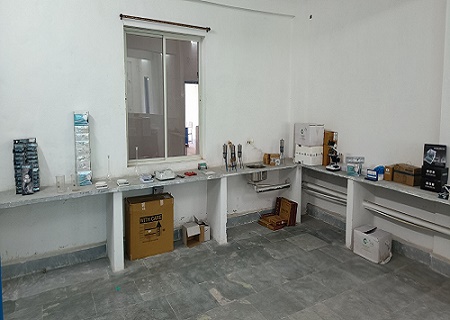
Homoeopathic Pharmacy
Well-stocked dispensary with high-quality mother tinctures, potentised dilutions, bio-chemic remedies, and standardized dispensing protocols.
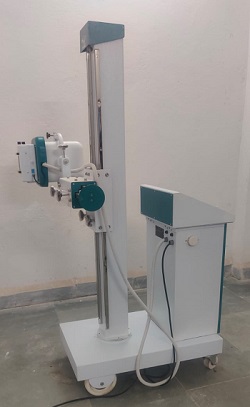
Diagnostic Labs & X-Ray
In-house computerized diagnostic radiology unit, clinical pathology, routine haematology, biochemistry, and microbiology investigation.
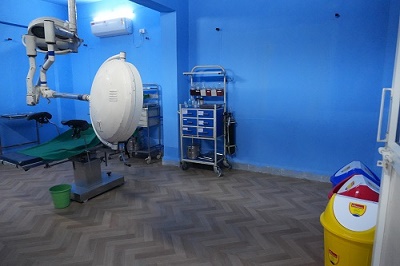
Minor OT & Surgical Care
Equipped minor operation theatre for aseptic procedures, surgical wound dressings, emergency trauma triage, and pre/post-op homoeo-therapeutics.
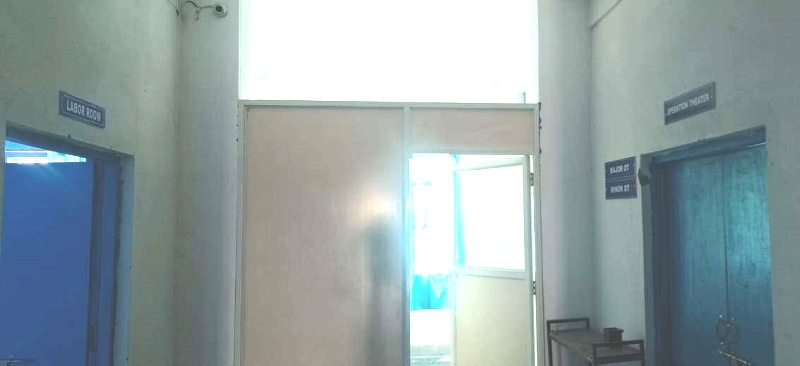
Labour Room & Maternity Unit
Comprehensive antenatal check-ups, normal delivery observation, maternal healthcare, postnatal monitoring, and infant care.
HOSPITAL AT A GLANCE
BHMS Admissions 2026-27 & 10-Step Guide
Admission to the Bachelor of Homoeopathic Medicine and Surgery (BHMS) programme is conducted strictly in accordance with the regulations of the National Commission for Homoeopathy (NCH), NEET-UG requirements, and the counselling procedure prescribed by the competent central and state authorities.
BHMS Prescribed Eligibility Criteria (Academic Session 2026–27)
Candidates must have passed 10+2 or an equivalent examination from a recognised Board with Physics, Chemistry, Biology, and English.
• General Category: Minimum 50% marks in PCB taken together.
• SC / ST / OBC Categories: Minimum 40% marks in PCB.
• Specified Disability (General): Minimum 45% in PCB.
• Specified Disability (SC/ST/OBC): Minimum 40% in PCB.
The candidate must have attained a minimum of 17 years of age on or before 31st December of the year of admission.
• General / EWS: 50th percentile (213 marks or above)
• OBC / SC / ST: 40th percentile (177 marks or above)
• PwBD candidates: 45th percentile (General) / 40th percentile (Reserved) category-specific qualifying marks as prescribed by NTA.
10-Step Admission Process for BHMS
Appear for NEET-UG
Candidates seeking admission to BHMS must appear for NEET-UG and fulfil the applicable qualifying criteria. Qualification is mandatory.
Check Eligibility
Candidates should ensure that they fulfil the prescribed: Academic qualifications, PCB subject requirements, Minimum qualifying marks, Age requirement, NEET-UG qualifying criteria, and other applicable eligibility conditions.
Register for Counselling
After qualifying NEET-UG, eligible candidates must register for the counselling process conducted by the competent authority: AACCC (15% All India Quota) or State/UT AYUSH authority (85% State Quota).
Choose the College
During counselling, select Bhabha Homoeopathic Medical College & Hospital, Bhopal as your preferred choice. Check available BHMS seats and fee structure before locking.
Seat Allotment
Seats are allotted on the basis of NEET-UG merit, candidate eligibility, category, choices submitted, seat availability, and applicable counselling rules.
Download Allotment Letter
Candidates who are allotted a BHMS seat should download the provisional/seat allotment document generated through the official counselling portal and follow the instructions provided.
Report to the Allotted Institution
The candidate must report to the allotted college within the prescribed time period, carrying original documents and prescribed copies for verification.
Document Verification
The college verifies the documents submitted by the candidate as prescribed by the competent counselling authority. Documents may include: NEET-UG Admit Card, Score Card, Allotment Letter, Class 10 & 12 Marksheets, Transfer Certificate, Migration Certificate, Valid Identity Proof, Photographs, Category Certificate, Medical Fitness Certificate.
Complete Admission Formalities
After successful verification, the candidate must complete the remaining admission formalities, including payment of applicable fees and submission of required documents, within the prescribed timeline.
Begin Your BHMS Journey
Once the admission process is successfully completed, students can begin their academic journey at Bhabha Homoeopathic Medical College & Hospital.
IMPORTANT COUNSELLING INFORMATION
- Prescribed Counselling Only: Admission to BHMS is conducted through the statutory counselling process only.
- No Direct Admission: Direct admission outside the prescribed statutory counselling system is strictly not permitted.
- Authority Instructions: Candidates must follow the latest instructions and notifications issued by the competent counselling authority.
- Regular Portal Checks: Candidates should regularly check the official counselling portal for registration dates, seat matrix, choice filling windows, allotment results, and reporting schedules.
- Merit & Eligibility: Merely qualifying NEET-UG does not guarantee admission to a particular college; admission is subject to merit, category, seat availability, and applicable rules.
- For Bhabha Homoeopathic Medical College & Hospital: Candidates interested in BHMCH should select the college as a preferred institution during choice filling, subject to seat availability and counselling rules.
Documents Required for BHMS Admission
To finalize your admission into the Bachelor of Homeopathic Medicine and Surgery (BHMS) course regulated by the National Commission for Homoeopathy (NCH), you must present original documents at your allotted college. The Ayush Admissions Central Counseling Committee (AACCC) advises carrying the original papers along with at least two sets of self-attested photocopies.
Need Guidance on BHMS Admissions, Fee Structure & Campus Visit?
Bhabha Homoeopathic Medical College & Hospital • Jatkhedi, NH-12, Hoshangabad Road, Bhopal – 462026
📞 University: 0755-4246498 |
📞 Admission Helplines: 7974846908, 9039921140 |
✉️ Email: info@bhabhauniversity.edu.in / bhabhauniversitybpl@gmail.com
🌐 Connect with us on:
[Facebook]
[Instagram]
[YouTube]
Why Choose BHABHA?
Strong Academic Foundation
Build a sound understanding of Homoeopathic medicine and basic medical sciences through structured curriculum and academic mentorship.
Dedicated & Experienced Faculty
Learn with the guidance of accomplished professors who support students throughout their academic and practical journey.
Hospital-Based Clinical Learning
Experience the direct connection between medical knowledge and patient care through attached teaching hospital OPD and IPD facilities.
Hands-On Practical Approach
Strengthen conceptual understanding through practical sessions, demonstrations, cadaveric dissection, and pharmacy laboratories.
Supportive Campus Environment
Study and grow in a sprawling campus environment that brings together modern academics, residential facilities, and student life.
Overall Student Development
Develop not only as a medical student, but also as a confident, responsible, and compassionate healthcare professional.
Our Graduate Attributes
Holistic Clinical Understanding
Understanding the patient as a whole and applying individualised holistic healing principles.
Medical Sciences Foundation
Comprehensive mastery of Anatomy, Physiology, Pathology, Microbiology and Forensic Medicine.
Materia Medica Proficiency
In-depth knowledge of drug profiles, symptom pictures, and comparative therapeutics.
Organon & Philosophy Mastery
Firm grasp of Hahnemannian principles, dynamic cure, totality of symptoms, and posology.
Repertorial Case Analysis
Systematic case-taking, symptom classification, rubric evaluation, and repertorisation skills.
Pharmaceutical Competence
Standardized preparation, potentisation, quality control, and dispensing of Homoeopathic remedies.
Bedside Clinical Acumen
Hands-on diagnosis, general physical examination, and inpatient/outpatient hospital management.
Empathetic Patient Counselling
Compassionate communication, active listening, lifestyle advice, and respectful patient interaction.
Community & Preventive Health
Public health awareness, epidemiology, rural health camps, and maternal-child health support.
Professional Ethics & Integrity
Adherence to medical code of conduct, legal accountability, and compassionate service to society.
Scientific & Clinical Inquiry
Evidence documentation, clinical case studies, journal club participation, and research aptitude.
Lifelong Professional Learning
Commitment to continuous medical education (CME), global licensing, and lifelong learning.
Academic Institutes & Colleges
Photo Gallery